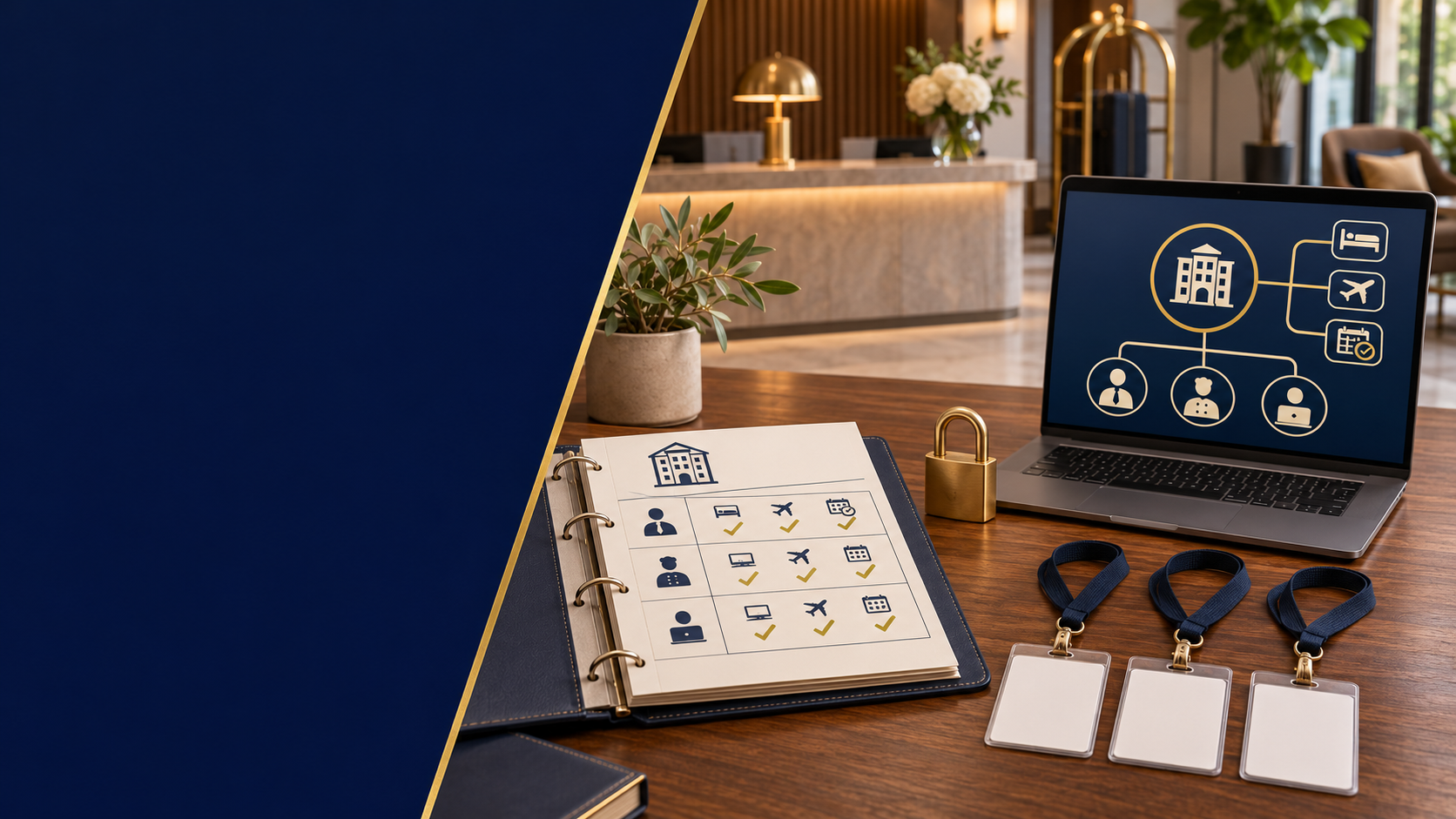
Before hiring a hotel management company, establish who handles bookings, who attends on site and which decisions still require the owner. A clear responsibility table reveals more than a package name.
Align scope and period before calling a result an overrun. Separate quantity, unit-price and omitted-item differences, then investigate evidence before reducing service quality.
Record events with dates, sources and confidence. Separate observations from forecasts, then examine the property's reservation evidence before discussing price changes.
Observe hotel booking lead time using defined dates, booking status and distribution. Separate channels and cancelled records before drawing pricing conclusions.
Read hotel ADR with sold room nights, calculate a weighted period average and distinguish a change in room mix from a genuine like-for-like price change.
Understand RevPAR through a simple room-revenue calculation, compare different occupancy and rate patterns, and keep profit, cash and investment return separate.
Check room types, photos, amenities and property details against verified information across OTAs, with a worksheet for recording discrepancies and follow-up checks.
Prepare a small-hotel photo shoot with room-type coverage, accurate guest details, image approvals and a clear handover from the photographer to each listing.
Trace one recurring hotel workflow to find duplicate updates, conflicting replies and missing handovers, then agree one working record and a clear receiving owner.
Define the planning period and cost driver before classifying an expense. The same expense name can behave differently under different contracts. Separate fixed, variable, mixed and unknown components with evidence.
Keep booking creation, stay, document and bank dates separate, then connect records with references. A timing difference does not establish missing money, while unexplained items still need evidence.
Circulate the report first, then use meeting time for decisions. Record options, authority, implementers and closure evidence so the next meeting does not repeat the same problem without progress.
Compare a request with the current scope first: what changes, who performs it, what resources or access it needs and who approves. Record the agreed start and acceptance evidence so a chat request does not become a different obligation in each person's mind.
Ask better questions before approving a hotel rate change: stay dates, remaining inventory, comparable offers, channel conditions and how the result will be reviewed.
Build a hotel vendor scorecard around agreed outputs, evidence coverage, exceptions and corrective follow-up rather than message counts or unsupported rankings.
Choose one learning point connected to a real property problem. Identify missing information, a responsible person and observable evidence before trying a bounded change. Completing a course does not establish that every method fits your hotel.
Before transferring the first property's methods, examine owner dependency, data quality and differences at the new site. Operational readiness is not proof that an investment will be worthwhile.
Separate OTA account control from daily guest-message duties with an owner register, access checks and a documented handover that contains no passwords.
Build a room mix around guest needs, space constraints and services the team can deliver. Compare scenarios with explicit assumptions instead of starting from a standard ratio or the maximum beds that fit a drawing.
Understand PMS, channel manager and booking engine roles, then test how reservations, room mapping and exceptions move through your small hotel's actual workflow.
Define learning questions, ready service scope and reasons to expand, retest or hold. A soft opening is not a substitute for knowing which essential systems are ready.
Define the participant and journey, then record friction with context and evidence rather than only a satisfaction score. Give each finding an owner and a suitable retest.
Connect a guest need with a capability the property and team can actually deliver. Preserve evidence and relevant limitations instead of using superlatives to cover missing facts.
Evaluate the route a guest actually uses, not only map distance. Record the starting point, travel mode, timing and observed limitations, separating checked facts from assumptions.
Give each assumption a data type, source, date, owner and affected decision. Preserve earlier values when updating so the team can distinguish new evidence from a new management choice.
Separate physical rooms, sellable units and sold nights before calculating. Beds should not be added to the room containing them as independent simultaneous inventory. If two selling options use the same space, identify how one blocks the other.
Compare hotel after-hours support by channels, response roles, on-site capability and unresolved-work handover instead of relying on a broad coverage label.
Separate immediate containment, cause investigation and effectiveness checking. Completing an action does not establish that recurrence has been prevented; collect evidence after the change.
Choose relevant hotel competitors by guest purpose, location and room product, then compare rates on consistent terms with a practical selection worksheet.
Learning helps owners ask better questions and prepare evidence. Decisions involving a particular building, agreement, regulation or system require appropriate contextual review. Establish the boundary before acting.
Reduce hotel dependence on the owner by mapping recurring decisions, assigning authority and testing one handover before reducing daily involvement further.
Complete the scope before adding the budget. Separate verified items, estimates, uncertainty allowances and operating cash. Owner funding or reserves are not sales revenue.
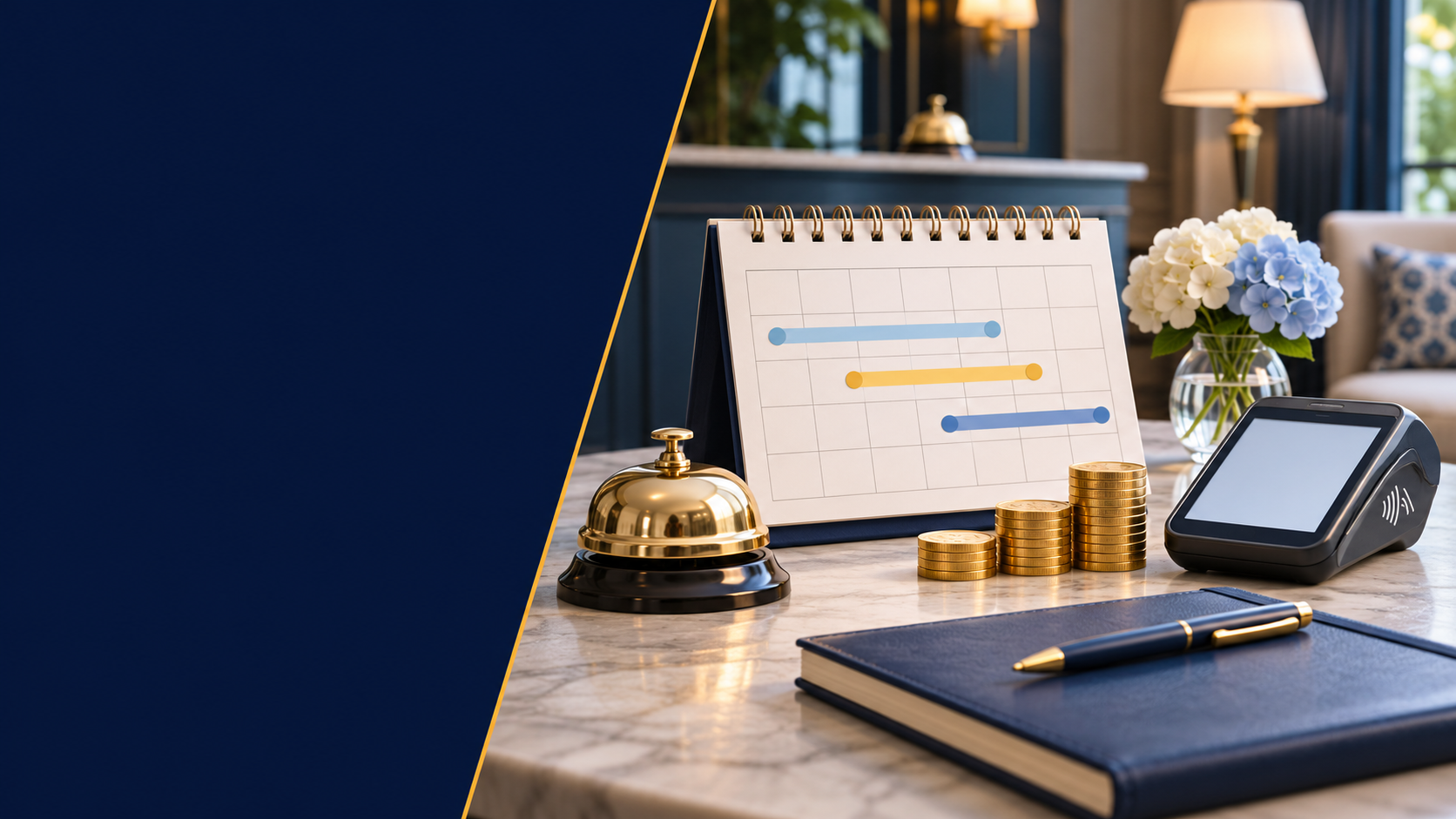
Build a practical opening cash calendar for a small hotel: expected receipts, payment dates, opening costs and review actions, without confusing bookings with cash.
Choose hotel business training around your property's stage, learning tasks and practical needs. Compare course scope, format and questions to ask before enrolling.
Comparable proposals start with the same property information. If each provider receives a different brief, an apparently comprehensive offer may cover a differ
When an owner is away from the property, one issue may involve a message handler, someone entering the room and someone authorising a decision. Having a remote
Organise property facts, cost inputs and practical questions before hotel business training. Separate verified information from assumptions and plan a useful next task.
Management fee percentages can only be compared when their revenue base and scope match. This article separates management fees, distribution costs and operating expenses before you decide.
Start with the tasks still waiting on the owner and the data needed for decisions. Then decide whether to manage independently, outsource specific functions or delegate more work.
Read occupancy alongside realised room rates and costs. Start with reports for the same period and trace the gap between bookings and the amount left over.
Compare channels using stays from the same period. Separate room revenue, acquisition and payment costs, and outstanding receipts in a worksheet that does not assume direct bookings are free.
Cleaning complete is not the final handover. Define inspection points, a release decision, supporting records and an issue-resolution path so housekeeping and the guest-facing team share one room status.
Build a small hotel feasibility worksheet using available room nights, rates and costs, with an illustrative break-even example and a pre-investment checklist.
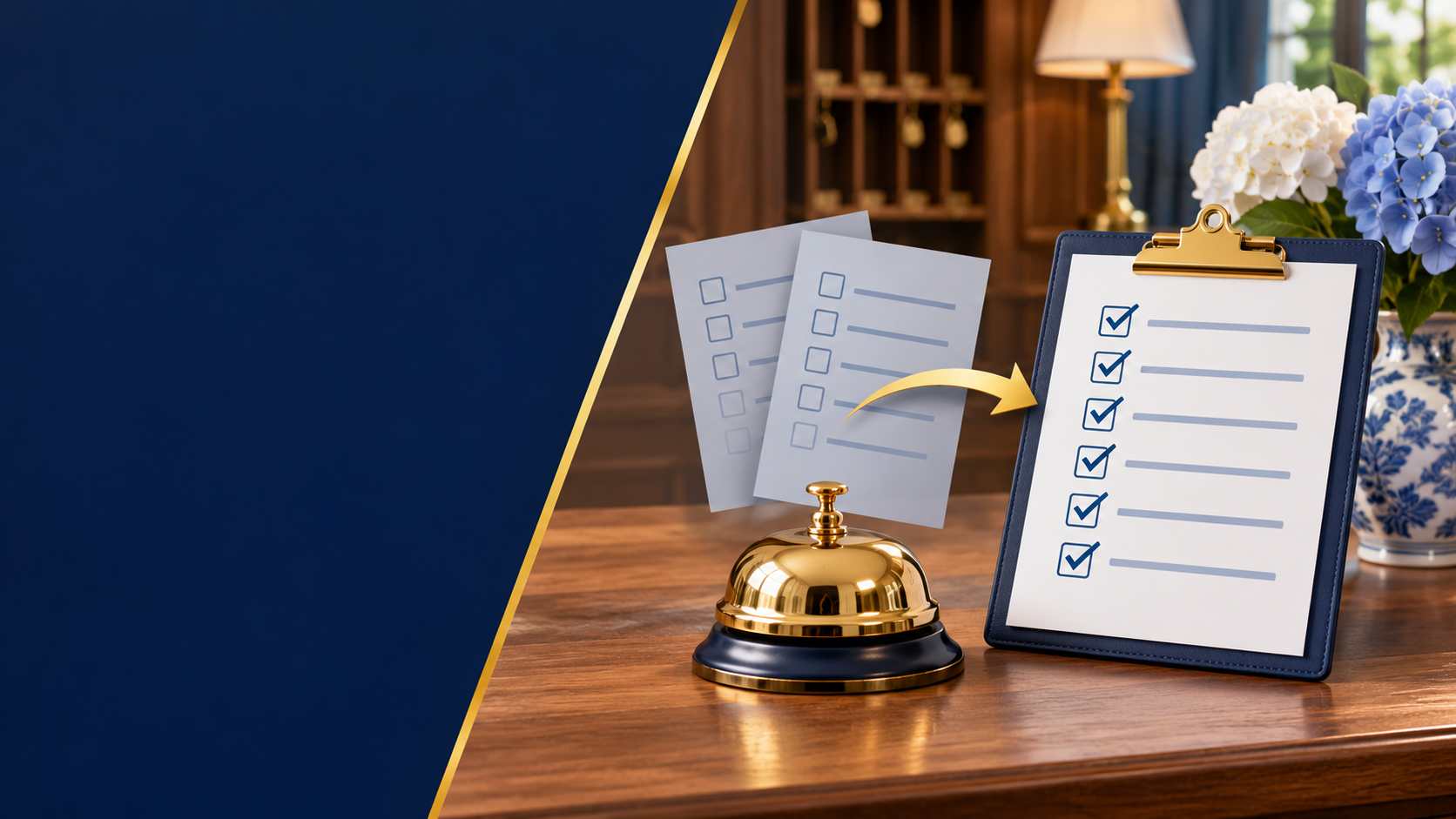
A practical small hotel pre-opening checklist for rooms, bookings, people, guest communication and a trial stay, with an owner and evidence for each task.